Skip to content
As a BetterHelp affiliate, we receive compensation from BetterHelp if you purchase products or services through the links provided
We’ve all felt that subtle sense of dread when walking into a living room covered in laundry, mail, and unwashed dishes. Your home is supposed to be your sanctuary, the place you go to unwind after a long day. When that space is chaotic, it becomes incredibly difficult for your brain to actually relax. The connection between our physical environment and our mental well-being is deeply intertwined.
Creating a peaceful sanctuary means dealing with clutter, wiping down surfaces, and addressing underlying issues that disrupt your comfort. For instance, handling a sudden ant or spider problem by scheduling routine pest control is just as vital for your peace of mind as organizing your closet. Knowing your living space is secure, sanitary, and orderly provides a foundational sense of calm that carries over into every other aspect of your life. Let’s look at exactly how maintaining a clean house can significantly improve your daily mental health.
Lowering Cortisol and Daily Stress
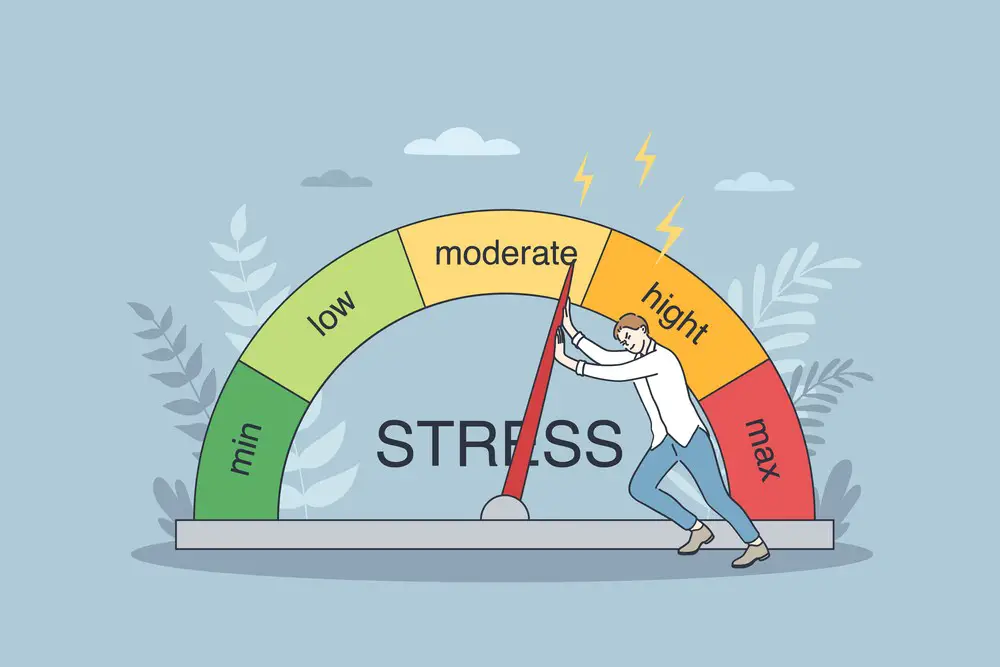
When you’re surrounded by visual clutter, your brain is constantly processing all those out-of-place items. Every stack of unopened mail or pile of shoes acts as a visual reminder of work that still needs to be done. This constant stream of unfinished tasks keeps your brain in a low-grade state of stress, pumping out cortisol even when you’re trying to relax on the couch.
For anyone who already deals with a demanding job or a busy family schedule, coming home to more visual noise just amplifies that daily exhaustion. Clearing off your counters and putting things back where they belong gives your visual cortex a much-needed break. A minimalist, tidy environment signals to your nervous system that the work is finished, allowing you to genuinely decompress. You stop subconsciously worrying about the mess and start actually enjoying your downtime.
Better Sleep in a Restful Environment
Your bedroom should be the ultimate retreat, but it’s hard to get a good night’s sleep when you’re staring at a mountain of unfolded laundry in the corner. Sleep hygiene isn’t just about limiting screen time; it also involves the physical state of your room. People who make their beds every morning and keep their bedrooms tidy consistently report getting better, more restorative sleep.
Crawling into a made bed with fresh sheets in a room free of distractions tells your brain that it’s time to shut down for the night. You aren’t distracted by the visual noise of a messy room, making it much easier to fall asleep faster and stay asleep longer. Waking up in a clean space also sets a much more positive tone for the morning ahead, preventing you from waking up feeling instantly overwhelmed.
Enhancing Focus and Boosting Productivity
If you work from home or just need to handle some personal paperwork, a messy desk is your biggest enemy. Physical clutter actively competes for your attention, pulling your focus away from the task at hand. It’s incredibly hard to concentrate on a complex project when there are empty coffee mugs, old receipts, and random sticky notes scattered across your workspace.
By clearing your desk and organizing your supplies, you eliminate those visual distractions. A clean workspace allows you to direct all your cognitive energy toward your actual work. You’ll find that you can think more clearly, solve problems faster, and get through your to-do list without feeling nearly as drained by the end of the afternoon. A clear desk truly translates to a clear, sharp mind.
The Therapeutic Act of Cleaning
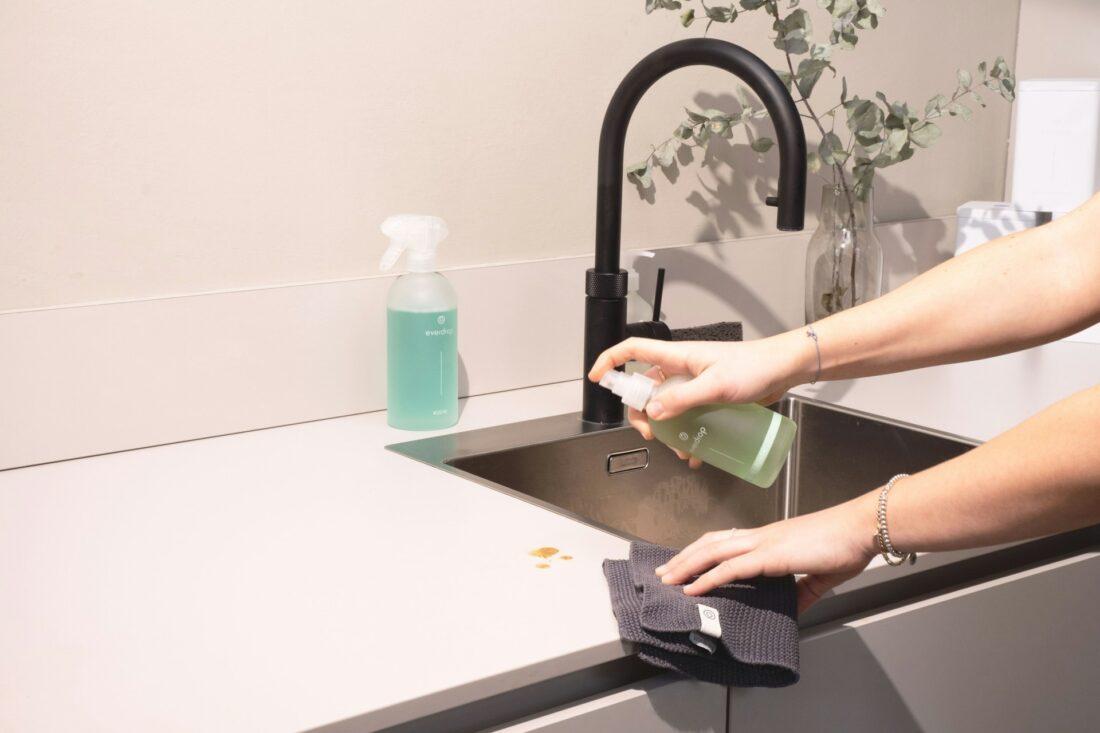
The benefits of a clean home don’t just come from the final result; the actual physical process of cleaning can be remarkably therapeutic. When life feels chaotic and out of your control, organizing a single drawer or wiping down the kitchen counters gives you an immediate sense of agency. You’re taking a disorganized situation and bringing order to it.
This simple act of regaining control over your immediate environment provides a quick mental boost and a rush of dopamine. Beyond that, the physical activity involved in scrubbing, sweeping, and moving around releases endorphins. You get the dual benefit of a physical workout and the satisfaction of ticking a tangible task off your list, building positive momentum that carries you through the rest of your day.

Creating a Welcoming Space for Connection
When your house is a mess, you’re much less likely to invite friends or family over. The anxiety of having someone see your dirty floors or cluttered living room often leads to self-isolation. Social connection is a fundamental pillar of good mental health, and your home should be a place where you feel proud to host others.
By keeping things generally tidy, you remove that barrier to social interaction. You don’t have to panic when a friend texts that they’re dropping by in ten minutes. A clean home allows you to open your doors, share a cup of coffee, and foster the kind of relationships that keep you emotionally grounded and happy.
Small Steps Lead to Big Changes
You don’t need to live in a perfectly sterile, magazine-ready house to experience these mental health benefits. The goal isn’t perfection; the goal is creating a functional, peaceful environment that supports your well-being instead of draining your energy.
Start small. Dedicate ten minutes a day to clearing off a single surface, doing the dishes before bed, or organizing the mail. As those small habits build, you’ll start to notice a profound shift in how you feel when you walk through your front door. A clean space truly paves the way for a clearer, calmer mind.

This site contains affiliate links to products. We will receive a commission for purchases made through these links.