Skip to content
As a BetterHelp affiliate, we receive compensation from BetterHelp if you purchase products or services through the links provided
The bedroom is the most private room in a home, and the furniture it contains shapes the quality of sleep, the ease of the morning routine, and the sense of personal sanctuary that makes it the refuge most people need at the end of each day. Choosing bedroom furniture thoughtfully, with genuine attention to how the room will be used and what it needs to feel comfortable and restful, produces a space that genuinely supports the rest and restoration that good sleep provides.
At sweetandkool.com you will find bedroom furniture guides, sleeping space design resources, and practical advice covering bed frames, mattresses, wardrobes, storage solutions, and all the furniture choices that create bedrooms that support genuine rest and relaxation.
The Bed: The Most Important Decision in the Bedroom
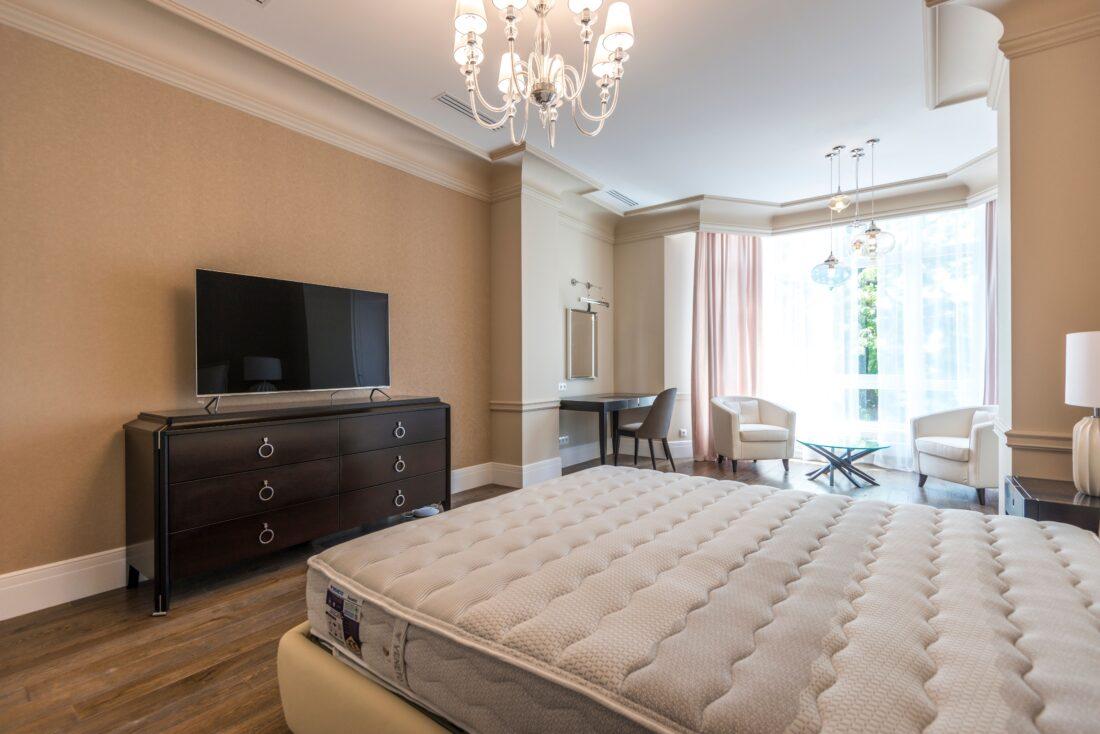
Bedroom furniture centres on the bed, which is simultaneously the largest piece of furniture in the room, the one that is used most frequently, and the one whose quality most directly affects wellbeing. Choosing a bed involves two distinct but equally important decisions: the bed frame and the mattress.
The bed frame contributes to the visual character of the room and provides the structural support for the mattress. A well-built solid timber bed frame with a centre support rail will last for decades; a cheap bed frame of poor construction will develop squeaks, flex, and eventually fail far sooner. The height of the bed frame affects both the visual proportions of the room and the ease of getting in and out: a lower-profile frame suits a contemporary aesthetic and a room with lower ceilings; a higher, more substantial frame suits a grander room and makes getting up easier for people with limited mobility.
The mattress has a more direct impact on sleep quality than any other bedroom furniture decision. A mattress that is too soft does not provide adequate spinal support; one that is too firm creates pressure points that interrupt sleep. Choosing a mattress involves understanding the firmness and support requirements for your sleeping position and body weight, and the most reliable way to assess this is to lie on the mattress in your normal sleeping position for at least several minutes, which reputable mattress retailers permit and encourage.
Wardrobe Design: Making Storage Work
Wardrobe storage is the dimension of bedroom furniture that most affects the day-to-day functionality of the bedroom. Insufficient wardrobe space, or wardrobe space that is not organised to accommodate the specific clothing and accessories it needs to store, creates the visual clutter and daily friction of searching for things that make the bedroom less restful.
Built-in wardrobes make better use of available space than freestanding wardrobes, because they can extend to ceiling height (recovering the wasted space above a freestanding wardrobe), accommodate irregular room shapes, and be fitted with internal organisation systems designed for the specific contents they need to hold. The investment in built-in storage is consistently returned in the improved functionality and visual calm of the room.
Bedside Tables and Lighting
Bedside tables are the bedroom furniture element whose design most affects the practical experience of using the bed. A bedside table must be at the right height to allow a glass of water to be reached easily from a lying position, must provide sufficient surface for the items that typically end up there (phone, book, glasses, lamp), and ideally provides a drawer for the items that should be stored out of sight.
Bedside lighting design is critically important for sleep quality. Light that is too bright or too blue-toned suppresses melatonin production and makes falling asleep harder. Bedside lamps that provide warm-toned, downward-directed light at low intensity are ideal for reading in bed without disrupting the biological sleep signals that lead to easy sleep onset.
Dressing Areas and Mirrors
A well-considered dressing area, even in a bedroom without a dedicated dressing room, makes the morning routine significantly more efficient and enjoyable. Positioning a full-length mirror where there is adequate light to assess appearance accurately, ensuring the wardrobe is organised so that specific items can be found without unpacking, and providing a surface for the items used daily in getting ready all contribute to a bedroom that starts the day well rather than adding friction to an already demanding period.

- When the Horse Is the Therapist - September 17, 2026
- The Government’s Numbers on the Psychology Career - September 17, 2026
- The Diagnoses That Imitate Dementia - September 17, 2026
This site contains affiliate links to products. We will receive a commission for purchases made through these links.