Skip to content

As a BetterHelp affiliate, we receive compensation from BetterHelp if you purchase products or services through the links provided
Mental health is one of the most important dimensions of overall wellbeing, yet it remains poorly understood and insufficiently prioritised in many cultures. The growing awareness of mental health as a genuine component of health, on a par with physical health, has been accompanied by an expanding body of accessible information on psychological conditions, therapeutic approaches, and everyday habits that support psychological resilience. Understanding the basics of mental health, recognising when professional support is needed, and developing evidence-based wellbeing practices are foundational to living well.
At discoverhalstead.com you will find mental health guides, psychology insights, and practical wellbeing advice covering anxiety, stress management, emotional resilience, personal development, and all the psychological knowledge that supports a healthier, more fulfilling life.
What Mental Health Actually Means
Mental health is defined by the World Health Organisation as a state of wellbeing in which individuals realise their potential, cope with the normal stresses of life, work productively, and are able to make a contribution to their community. This definition is important because it frames mental health positively, as something more than the absence of illness, rather than simply as freedom from symptoms.
Mental health exists on a continuum and fluctuates over time. Most people experience periods of psychological difficulty, ranging from ordinary stress and unhappiness to more severe and persistent conditions. The distinction between normal variation in mood and functioning and clinical conditions that warrant professional attention is not always obvious, which is why understanding mental health is valuable regardless of whether you are currently experiencing significant difficulties.
Anxiety: Understanding and Managing a Common Challenge
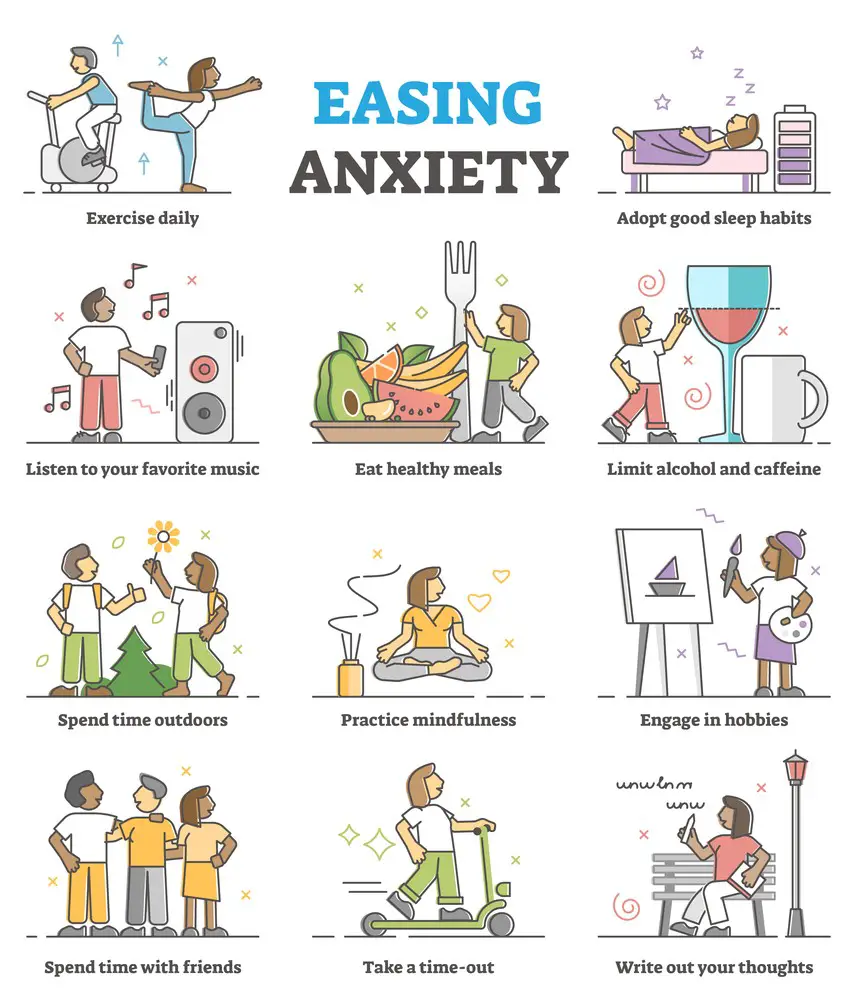
Anxiety is among the most prevalent mental health challenges, affecting a significant proportion of the population at some point in their lives. In its clinical forms (generalised anxiety disorder, social anxiety disorder, panic disorder, specific phobias), anxiety causes significant distress and impairs functioning. Even sub-clinical anxiety, which does not meet diagnostic thresholds, significantly affects quality of life for many people.

The central feature of anxiety is a response to perceived threat that is disproportionate to the actual risk present. The same physiological and psychological response that serves a protective function when real threats are present is activated by perceived threats, anticipated negative events, or uncertainty, causing distress without a corresponding protective benefit.
Effective anxiety management approaches combine cognitive strategies (identifying and challenging the thought patterns that fuel anxious responses), behavioural strategies (gradually approaching rather than avoiding anxiety-provoking situations), and physiological regulation strategies (breathing techniques, progressive muscle relaxation, and physical activity that reduce the physiological component of anxiety). Psychological therapy, particularly cognitive behavioural therapy, has the strongest evidence base for anxiety treatment.
The Psychology of Personal Development and Learning
Psychology contributes to personal development by providing frameworks for understanding how people learn, change behaviour, develop habits, and sustain motivation over time. These frameworks are practically useful because they identify the conditions under which change is most likely to be successful and the obstacles that most commonly derail it.
Effective behaviour change requires more than motivation and intention. The evidence on habit formation suggests that behaviour is shaped more reliably by environmental design (structuring the environment to make desired behaviours easier and undesired behaviours harder) than by willpower and motivation alone. Identifying the specific cues, routines, and rewards that maintain both helpful and unhelpful habits allows deliberate intervention to change patterns that willpower alone cannot sustain.
Sleep and Mental Health: A Critical Connection
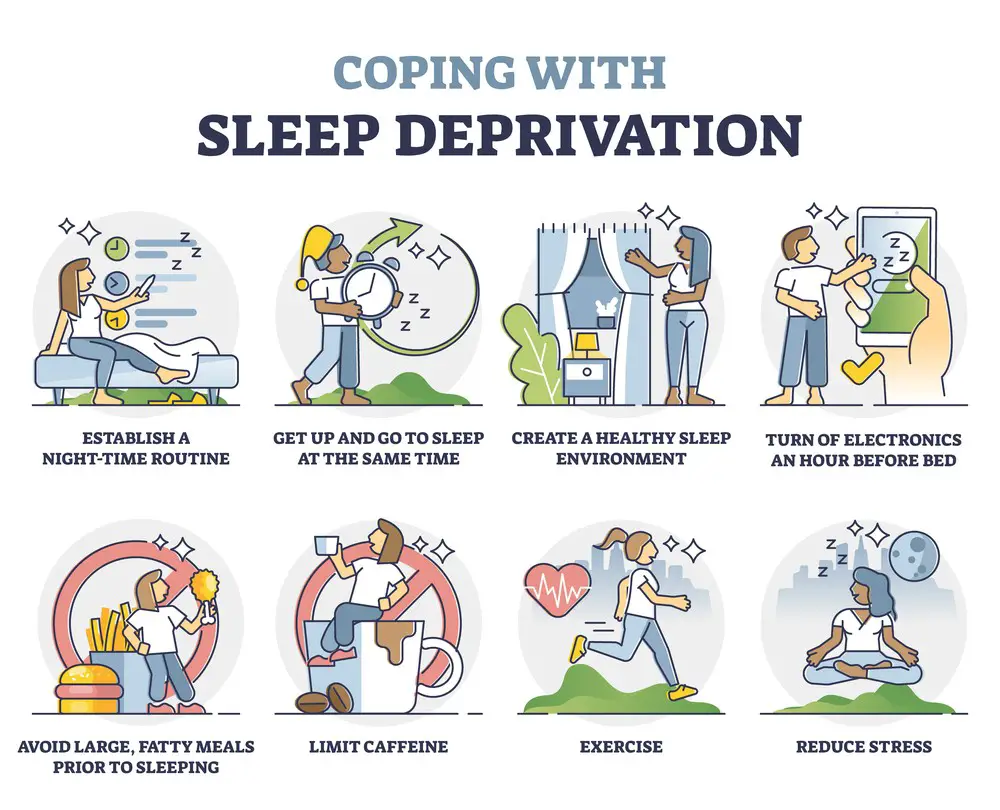
The relationship between sleep and mental health is bidirectional and profoundly important. Poor sleep causes psychological difficulties including impaired mood regulation, reduced stress tolerance, cognitive impairment, and increased vulnerability to anxiety and depression. Mental health difficulties, in turn, frequently disrupt sleep, creating cycles of mutually reinforcing problems.
Sleep hygiene practices, the collection of behavioural and environmental habits that support consistent good-quality sleep, address the controllable factors that affect sleep. Consistent sleep and wake times that align with the body’s natural circadian rhythm, a dark and cool sleeping environment, avoidance of screens in the hour before sleep, and management of caffeine and alcohol intake all contribute meaningfully to sleep quality.
When to Seek Professional Support
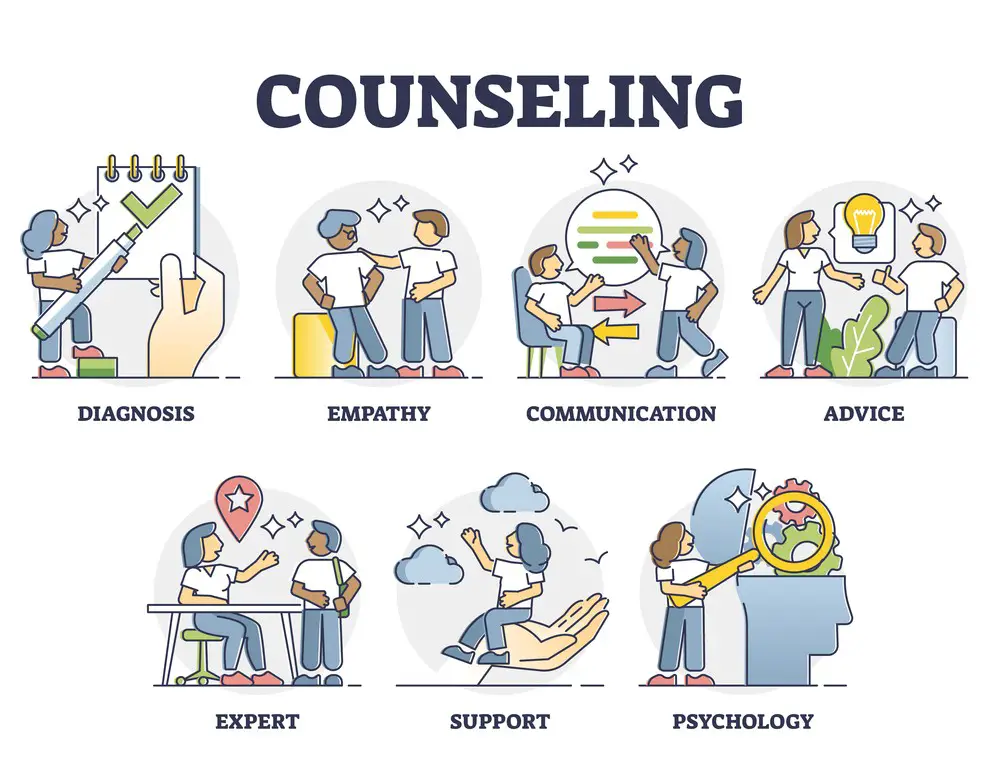
Understanding when difficulties warrant professional support rather than self-management is an important dimension of mental health literacy. A general guide is that professional support is warranted when symptoms are persistent (lasting several weeks rather than days), when they significantly impair functioning at work, in relationships, or in daily activities, or when self-management strategies are not producing improvement.
Reaching out for professional support is an act of self-care rather than a sign of weakness. Effective evidence-based treatments exist for most mental health conditions; the main barrier is access, not efficacy. General practitioners are the most accessible entry point for professional support in most health systems, and they can provide assessment, initial treatment, and referral to specialist services where appropriate.
+

This site contains affiliate links to products. We will receive a commission for purchases made through these links.