Skip to content
As a BetterHelp affiliate, we receive compensation from BetterHelp if you purchase products or services through the links provided
Mindfulness has moved from a Buddhist contemplative practice into one of the most extensively researched psychological interventions available, with a substantial evidence base for its effectiveness in reducing anxiety, depression, and stress while improving overall wellbeing. Understanding what mindfulness actually is, distinguishing it from common misconceptions, and building a genuine practice requires both conceptual clarity and practical guidance.
At mctina.org you will find mindfulness guides, psychological wellbeing resources, and practical tools covering meditation practice, present-moment awareness, stress reduction, and the range of mindfulness-based approaches that support mental health and quality of life.
What Mindfulness Actually Is
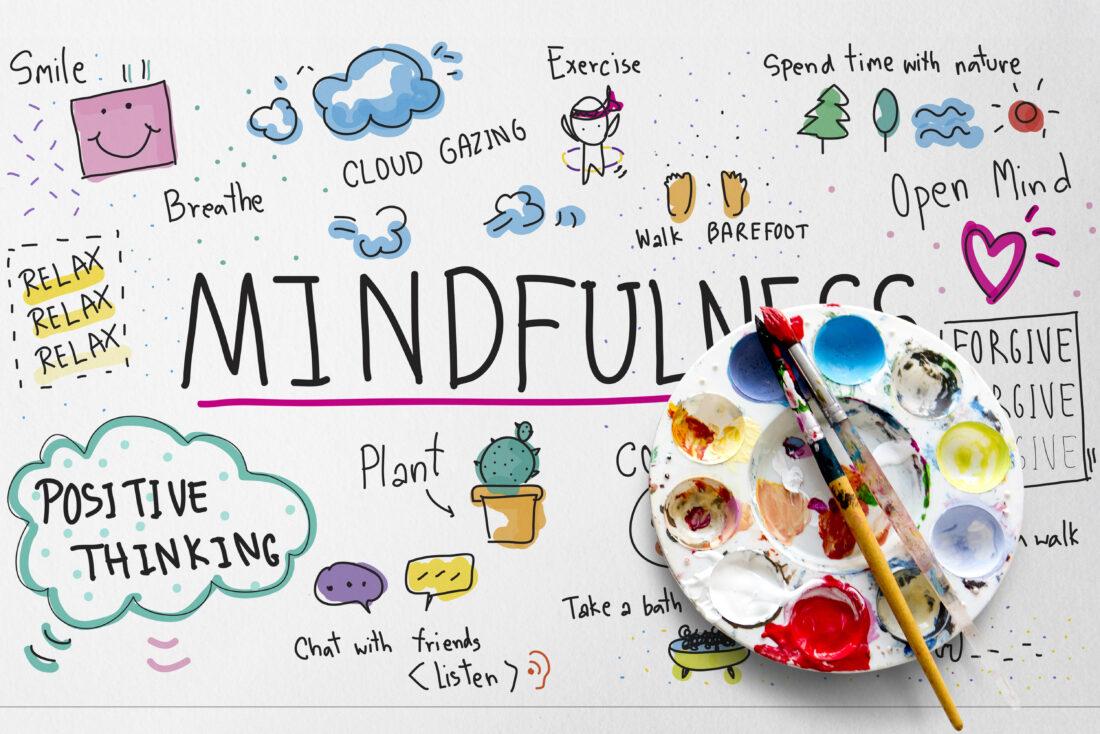
Mindfulness is the practice of paying intentional, non-judgmental attention to present-moment experience. The definition contains three equally important components: attention (directing awareness to what is actually happening), intention (doing so deliberately rather than reactively), and non-judgment (observing experience without immediately evaluating it as good or bad, wanted or unwanted).
The opposite of mindfulness is not distraction in the trivial sense but the autopilot state in which much of daily life is lived: physically present but mentally rehearsing the past or anticipating the future, while the actual texture of present experience passes largely unnoticed. Mindfulness practice cultivates the capacity to recognise when the mind has wandered into this autopilot state and to return, repeatedly and without self-criticism, to present-moment awareness.
The Evidence Base for Mindfulness
Mindfulness-based stress reduction (MBSR), developed by Jon Kabat-Zinn at the University of Massachusetts in the late 1970s, was the first structured programme to bring mindfulness practice into medical and psychological contexts. The research literature that has accumulated around MBSR and its derivative programmes is now substantial, demonstrating consistent benefits for anxiety and depression, pain management, immune function, and the regulation of stress reactivity.
Mindfulness-based cognitive therapy (MBCT), which combines mindfulness practice with elements of CBT, has been specifically developed for the prevention of depressive relapse and is recommended in clinical guidelines in several countries for this purpose, reflecting its strong evidence base.
Building a Mindfulness Practice
A formal mindfulness practice typically begins with meditation: setting aside a specific period each day for deliberate cultivation of present-moment awareness. The simplest foundation is breath-focused meditation, in which attention is directed to the physical sensations of breathing and returned to those sensations each time the mind wanders to thoughts, feelings, or perceptions.
Starting with even five to ten minutes daily and building gradually produces better long-term practice than beginning ambitiously and then struggling to maintain it. The quality of attention brought to even brief practice is more important than the duration.
Informal Mindfulness in Daily Life
Formal meditation is only one dimension of mindfulness practice. Informal mindfulness, bringing the quality of present-moment awareness to ordinary daily activities, extends the benefits of practice throughout the day without requiring dedicated time.
Mindful eating, attending to the actual taste, texture, and experience of food rather than eating distractedly, produces better awareness of appetite and satiation signals and a more enjoyable eating experience. Mindful walking, attending to the physical sensations of movement and the environment through which one is moving, transforms what is often an automatic activity into a genuine sensory and restorative experience.
Mindfulness and Emotional Regulation
One of the most significant psychological benefits of mindfulness practice is improved emotional regulation. By cultivating the capacity to observe emotional experiences with some degree of detachment, watching anger or anxiety arise without immediately acting on it, mindfulness practice develops the psychological flexibility to choose responses to difficult emotions rather than being driven by them.
This capacity, sometimes described as creating a gap between stimulus and response, is the practical foundation of emotional intelligence and is central to many of the most effective psychological therapies.


- When the Horse Is the Therapist - September 17, 2026
- The Government’s Numbers on the Psychology Career - September 17, 2026
- The Diagnoses That Imitate Dementia - September 17, 2026
This site contains affiliate links to products. We will receive a commission for purchases made through these links.